
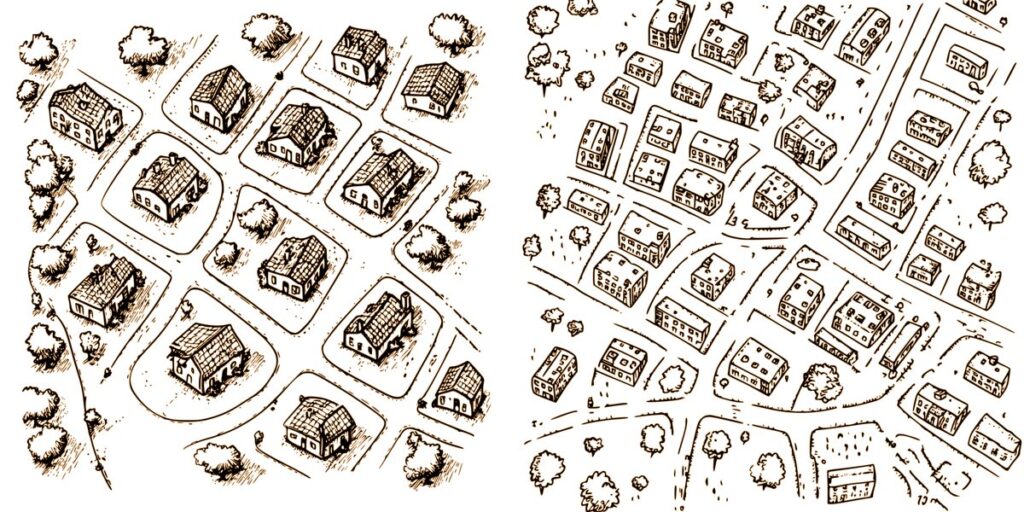
Discovering North Collins: Where the City’s Past Meets Community Spirit
Ask any longtime Arlington resident about North Collins, and you’ll likely hear the same sentiment: this corner of the city stands as a beautiful blend of history, growth, and tight-knit neighborhood pride. Stretching north from Division Street up to the edges of River Legacy Parks, and bounded by Cooper Street and Collins Street itself, North Collins has roots that trace back to Arlington’s earliest days — yet still pulses with energy and new chapters.
Origins and the Naming of North Collins
The name “North Collins” is a simple geographic nod, drawn from one of Arlington’s most significant thoroughfares: Collins Street. This north-south artery has been a lifeline through the city since the 19th century, and the area north of Division was gradually dubbed North Collins as homes, schools, and businesses sprouted around it.
Arlington itself was founded in 1876 along the Texas and Pacific Railway, right between Dallas and Fort Worth. Collins Street was named after Richard Collins, a local landowner and rancher whose property once stretched across this area. His agricultural ventures and early real estate deals helped attract families, farmers, and business owners in the late 1800s, laying the foundation for the community that would grow here.
Key Historical Milestones
North Collins transitioned from sprawling fields and pecan groves into a vibrant residential hub in the mid-20th century. The 1950s and ’60s were decades of significant change for Arlington, and North Collins felt the impact:
- Postwar Housing Boom: Returning WWII veterans flocked to Arlington for affordable homes and the promise of a suburban lifestyle. Quaint mid-century brick houses, many of which still stand along Brookhollow Drive and Meadowbrook Drive, began to shape the local streetscape.
- Educational Anchors: The neighborhood saw the opening of schools like Butler Elementary (named after a prominent local family), turning North Collins into a magnet for young families.
- Transportation Shifts: Construction and upgrades to Collins Street (FM 157) drew commerce northward and made it easier for residents to commute to jobs in Dallas, Fort Worth, and the rapidly growing General Motors plant in East Arlington.
Landmarks and Institutions
A walk or drive through North Collins offers glimpses of the area’s rich architectural and cultural history. Some key places anchor its sense of heritage:
- Randol Mill Park: One of Arlington’s largest and oldest parks, Randol Mill is an epicenter of neighborhood activity. The park takes its name from the historic Randol family, who ran a gristmill — once a critical piece of the area’s early economy — near the present-day park’s boundaries. With its pond, trails, and towering oaks, it’s both a recreational haven and a reminder of North Collins’s rural past.
- Meadowbrook Park: Tucked along the west edge of the neighborhood, this tranquil park hosts generations-old oaks and serves as a gathering place for community events.
- Grace Street and North Collins Landmark Homes: The Craftsman cottages and charming ranch-style homes on Grace Street, Brookhollow Drive, and adjacent lanes provide snapshots of the architectural trends that shaped Arlington’s boom years.
- Butler Elementary School: More than just an educational institution, Butler stands as a historic anchor for generations. Its events have long echoed with community pride.
Evolution Through the Decades
North Collins is no stranger to change, and each decade has left its stamp on the neighborhood’s character:
- 1970s – 1980s: The surge of regional growth brought expanded retail options to North Collins, with shops and eateries opening along Collins Street. Yet the area managed to preserve its neighborly atmosphere, buffered by tree-lined residential stretches and well-loved parks.
- 1990s – 2000s: A wave of new families, many drawn by acclaimed schools and proximity to both city amenities and nature, moved in. These years also saw the rise of community associations, with neighbors banding together to support park clean-ups, holiday events, and local causes.
- Today: North Collins remains a sought-after neighborhood, prized for its solid homes, mature trees, and walkability. Local organizations and next-generation residents take pride in preserving older homes and supporting businesses along Collins and Randol Mill Road.
What Makes North Collins Distinctive
For many, the magic of North Collins lies not just in its bricks and mortar, but in its spirit:
- A Living Legacy: Whether it’s grandchildren skipping stones at Randol Mill Park or neighbors hosting block parties on Brookhollow Drive, tradition flourishes here. The intergenerational ties run deep, fostering a hometown feel in the heart of a major metroplex.
- Diversity and Evolution: Over time, North Collins has welcomed new faces from all backgrounds. This rich tapestry of cultures is reflected in neighborhood gatherings and the mosaic of local eateries and churches.
- Nature’s Presence: The proximity to River Legacy Parks — a 1,300-acre preserve just to the north — infuses everyday life with nature. Residents cherish birdwatching walks, spring wildflowers, and Fourth of July picnics under the sycamore trees.
The Road Ahead
As Arlington continues to grow and change, North Collins stands as a testament to the balance between progress and preservation. New homes have blended in with the old, community groups continue to plan events, and the area’s legacy is honored by both those whose families go back generations and newcomers making memories of their own.
If you find yourself strolling down Collins Street on a crisp autumn morning, or savoring the quiet shade at Meadowbrook Park, take a moment to appreciate the stories stitched into this neighborhood. North Collins isn’t just a place — it’s a living chapter of Arlington’s ever-evolving history, rooted in resilience, community, and a warm spirit that welcomes all.